

The Man with Two Passports: The True Identity of Shaul of Tarsus
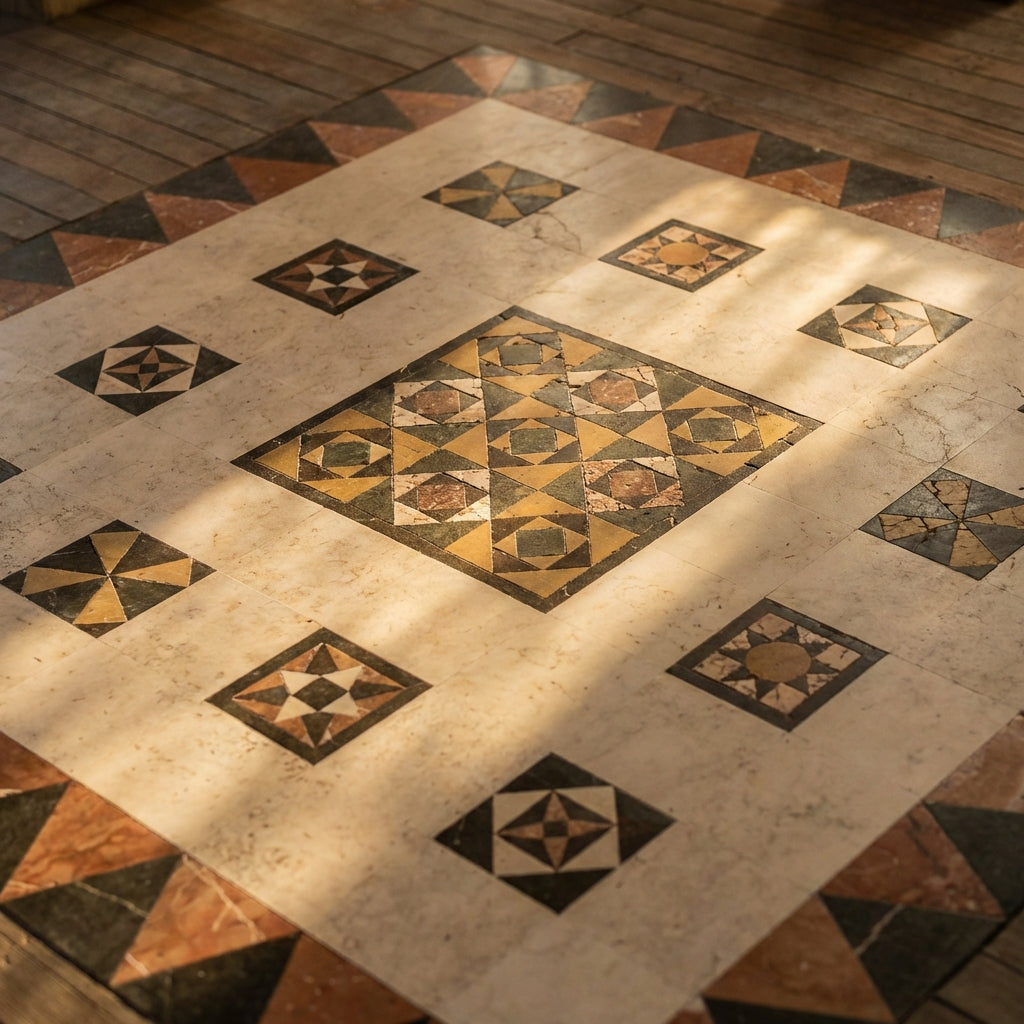
Pictured above: a Roman bronze military diploma of 149 CE, the form a grant of Roman citizenship took in the second century. The Metropolitan Museum of Art, public domain.
There is a very common misconception about the Apostle Paul that you'll hear in Sunday schools around the world: “When he converted on the road to Damascus, God changed his name from Saul to Paul.”
It sounds wonderfully poetic, a name change to symbolize a new heart, much like Abram becoming Abraham or Jacob becoming Israel. The only problem? It’s completely historically inaccurate.
He didn't change his name. He was simply a man born with two passports.
To understand the most prolific writer of the New Testament, you have to look at the geopolitical reality of the 1st-century Diaspora.
He was born in Tarsus (in modern-day Turkey), a massive, wealthy Hellenistic metropolis famous for its university and Stoic philosophers. More importantly, he was born a Roman citizen—an incredibly rare, elite, and expensive legal status in the 1st century.
Because of this, he naturally had a Latin name: Paulus (meaning "small" or "humble"). When he was traveling the Roman road networks, dealing with Roman centurions, or preaching to Greek philosophers in Athens, he used his legal Roman name.
But he was also a fiercely observant Jew from the tribe of Benjamin. Therefore, he carried the most famous name from his tribe: Shaul (Saul, the first King of Israel). When he was in the synagogues of the Diaspora or studying in the rabbinic halls of Jerusalem, he was Shaul.
In Acts 22, standing on the steps of the Antonia Fortress in Jerusalem, Paul reveals his academic pedigree to a riotous crowd. He declares that he was educated in Jerusalem "strictly according to the law of our fathers, at the feet of Gamaliel."
Rabban Gamaliel the Elder wasn't just any teacher. He was the grandson of Hillel, the Nasi (President) of the Great Sanhedrin, and one of the most brilliant and revered sages in all of Jewish history.
This changes everything about how we read Paul's letters. When Paul writes to the Romans or the Galatians, he isn't writing like a Greek philosopher—he is writing like a Pharisee. He uses deep, complex Midrashic techniques. He uses Kal V'chomer (a fortiori arguments). He debates the exact same way the rabbis in the Talmud debate, because he was trained in the exact same study halls by the leading sage of his generation.
The Takeaway
Paul was uniquely equipped to be the "Apostle to the Gentiles" not in spite of his Pharisaic background, but because he was the ultimate bridge-builder. He was a man who held a Roman passport but thought entirely in Hebrew. He could quote pagan Greek poets in Athens (Acts 17) and argue complex rabbinic jurisprudence in Jerusalem. He didn't abandon his Jewish intellectual training; he harnessed it to take the God of Israel to the ends of the Roman Empire.
Verse of the Day
Ἐγώ εἰμι ἀνὴρ Ἰουδαῖος, γεγεννημένος ἐν Ταρσῷ τῆς Κιλικίας, ἀνατεθραμμένος δὲ ἐν τῇ πόλει ταύτῃ, παρὰ τοὺς πόδας Γαμαλιὴλ πεπαιδευμένος κατὰ ἀκρίβειαν τοῦ πατρῴου νόμου...
"I am a Jew, born in Tarsus of Cilicia, but brought up in this city, educated at the feet of Gamaliel, strictly according to the law of our fathers..."
— Acts 22:3
From the Temple Mount Soil team in Jerusalem.
Keepsakes from the same soil
Each piece carries authenticated soil recovered by the Temple Mount Sifting Project, sealed in Israel and matched to its own numbered Certificate of Authenticity.
 Covenant Soil Bracelet$39 Covenant Soil Bracelet$39 |
 The Pendant of Eternal Faith$69 The Pendant of Eternal Faith$69 |
 The Classic Gift Set$99 The Classic Gift Set$99 |
See all the keepsakes
Free US standard shipping on every order over $100. Expedited shipping is not included.