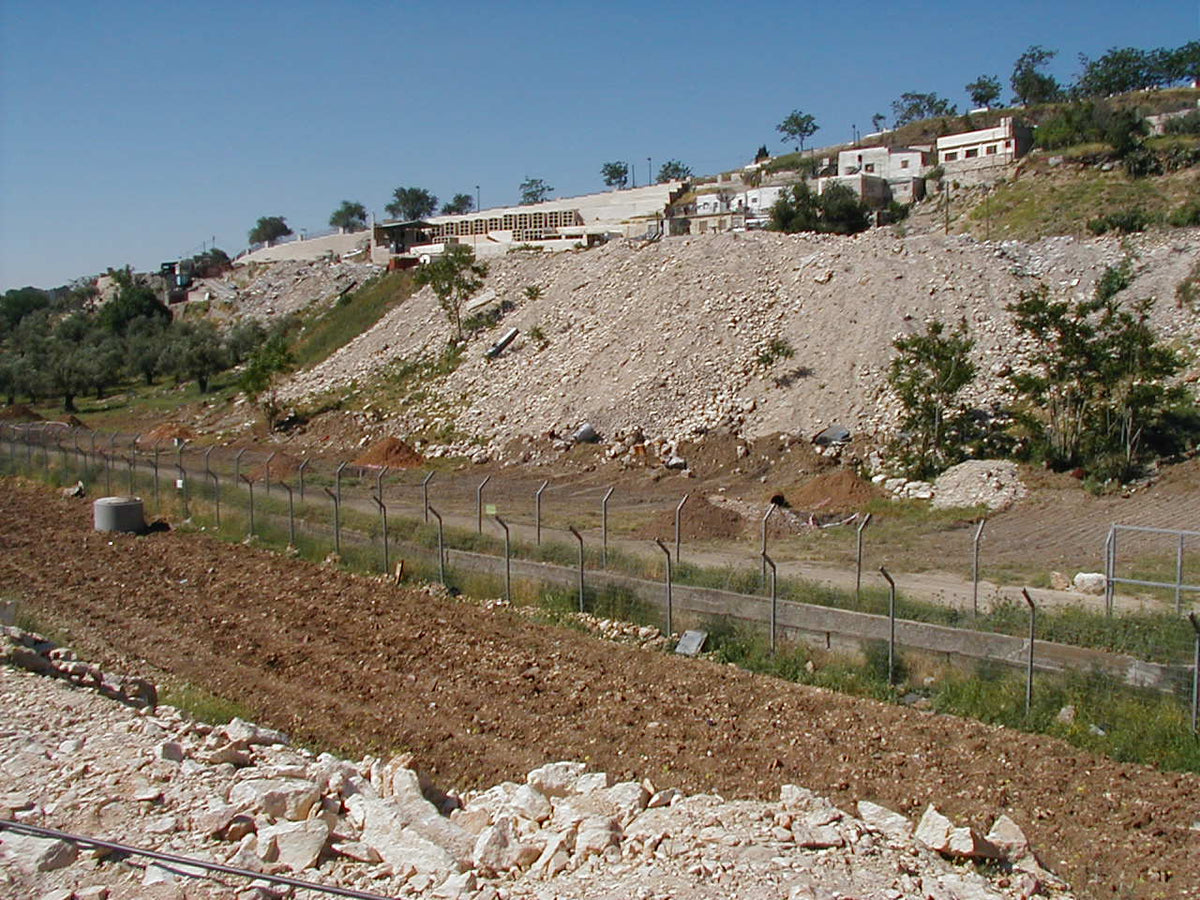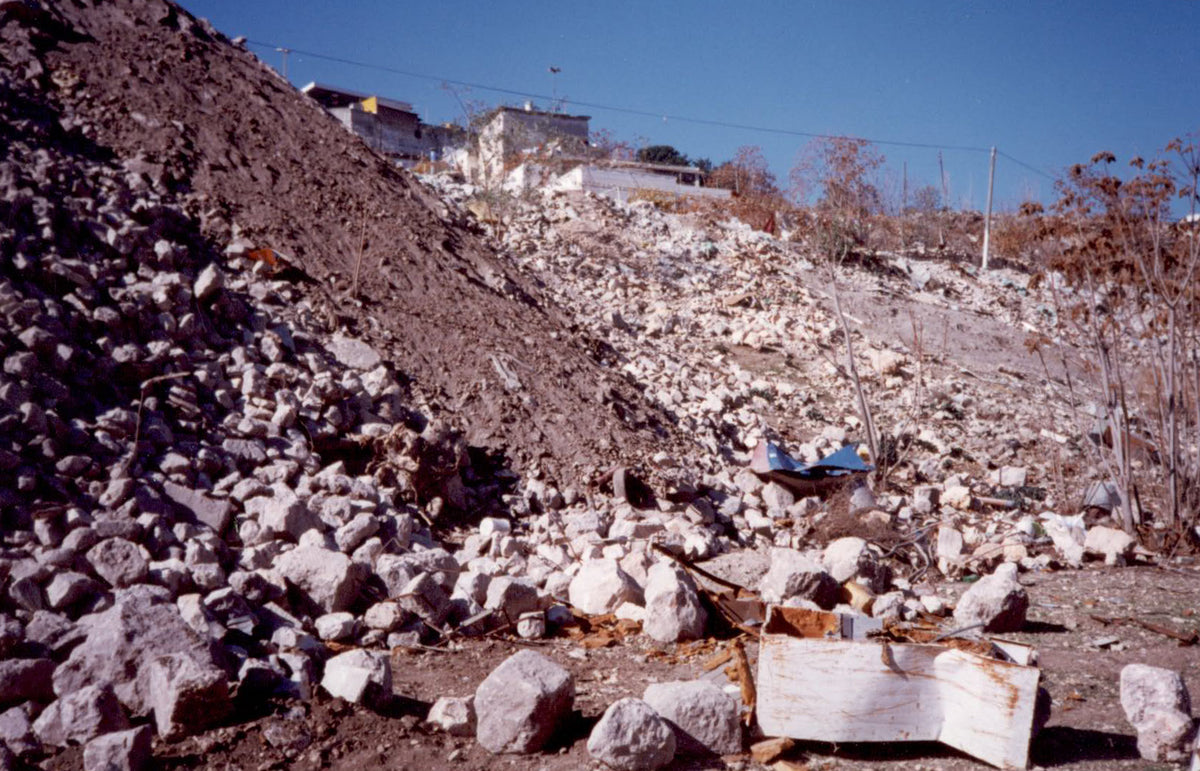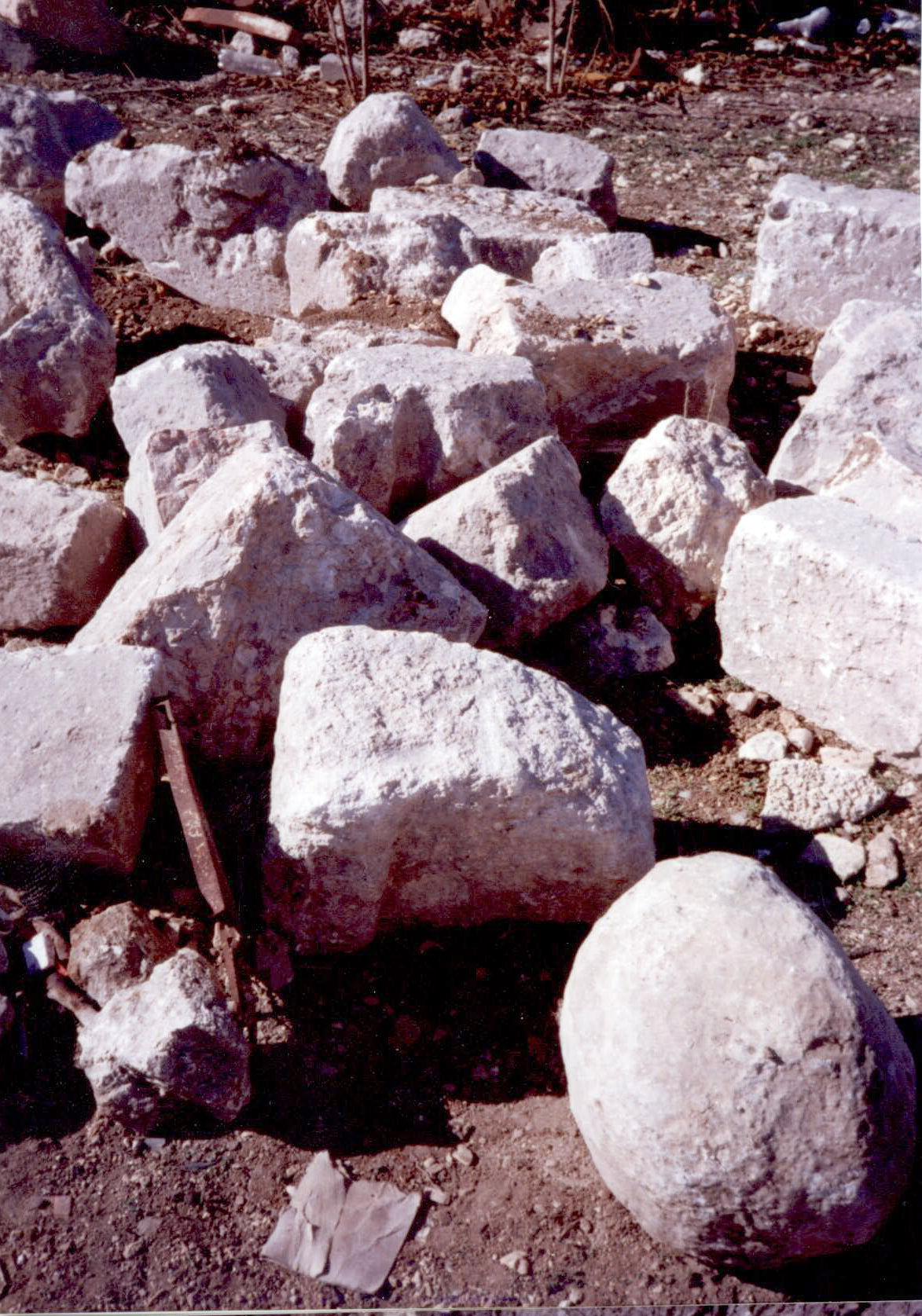
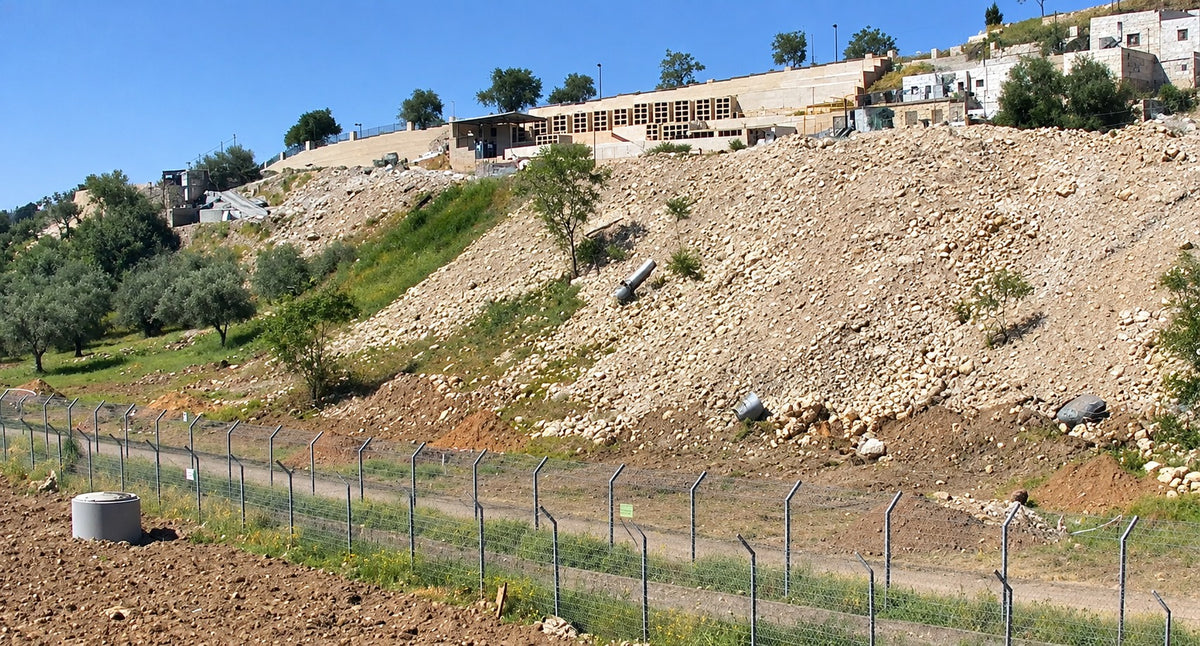
The soil heaped on a slope in the Kidron Valley

Every step from the Temple Mount to your hands.

Follow the soil
01 1999

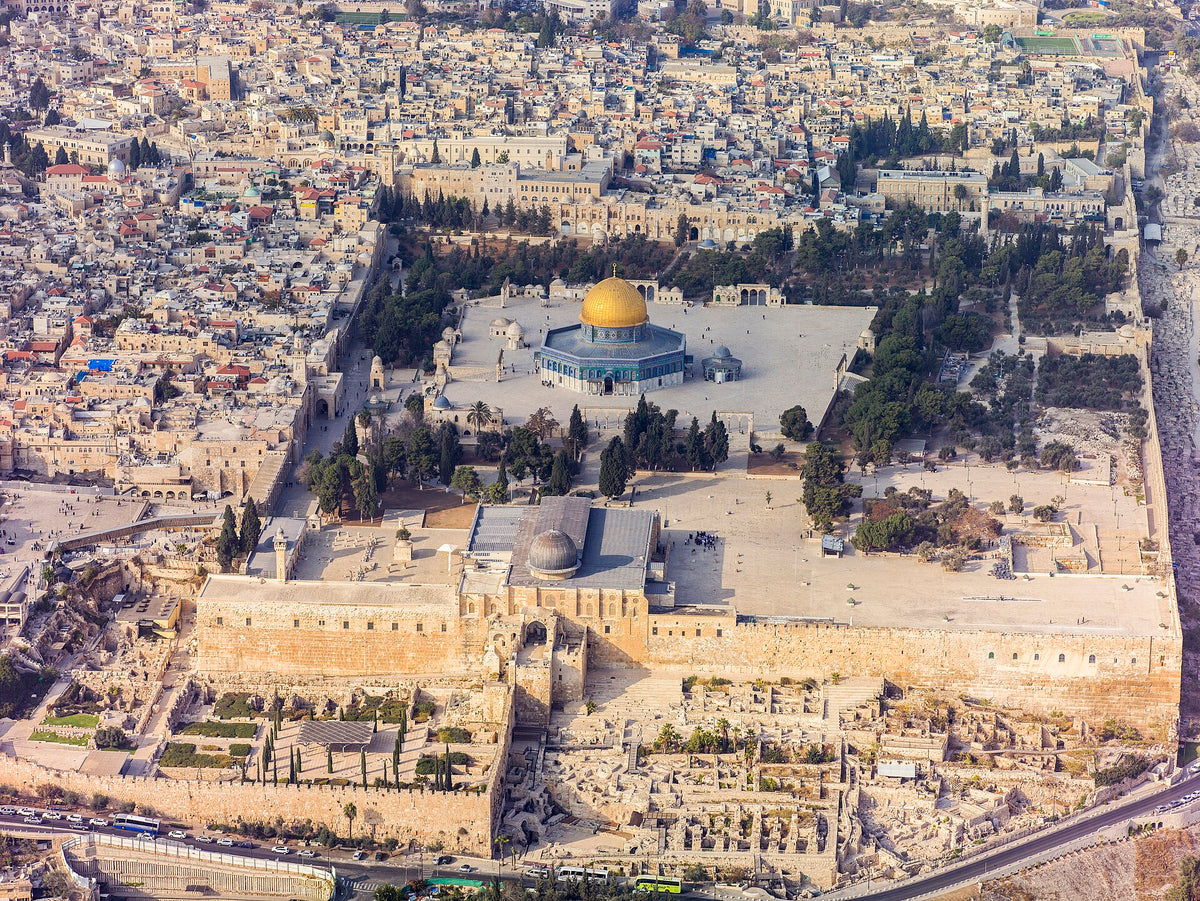
The Temple Mount

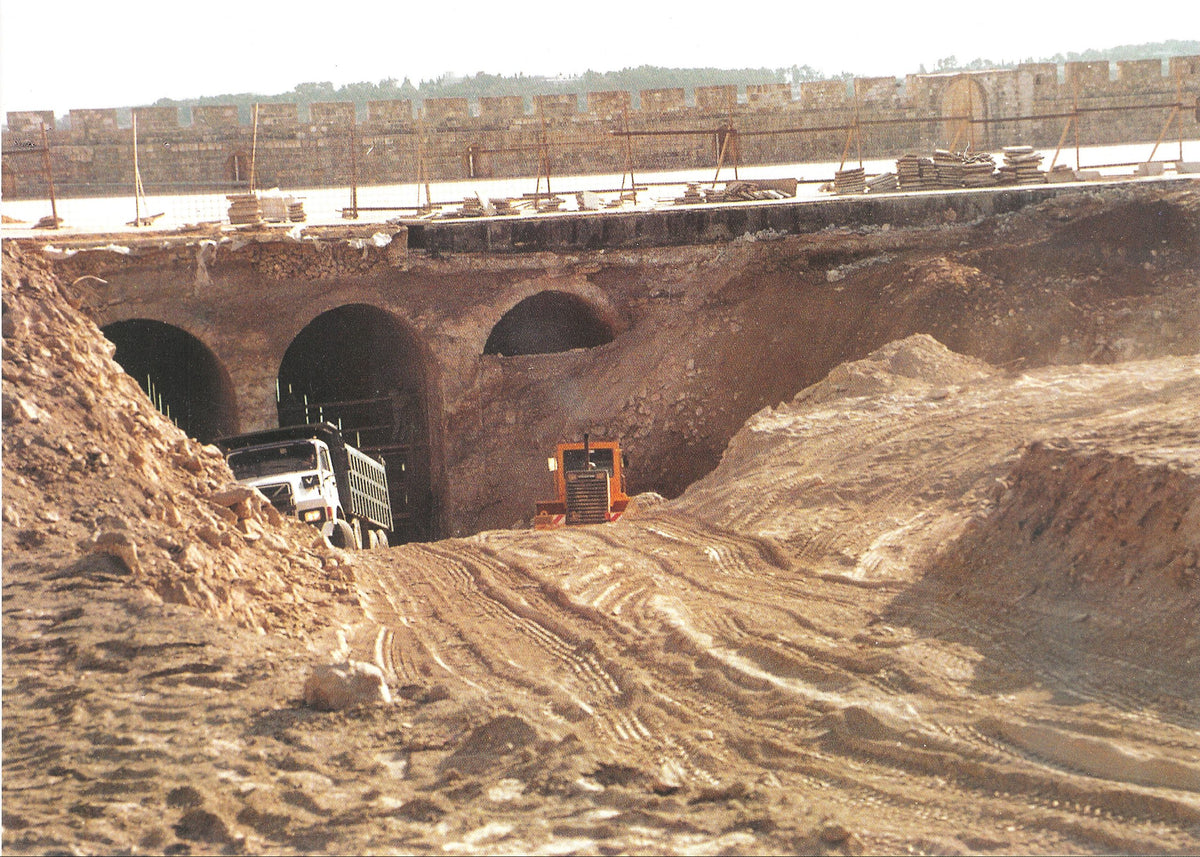
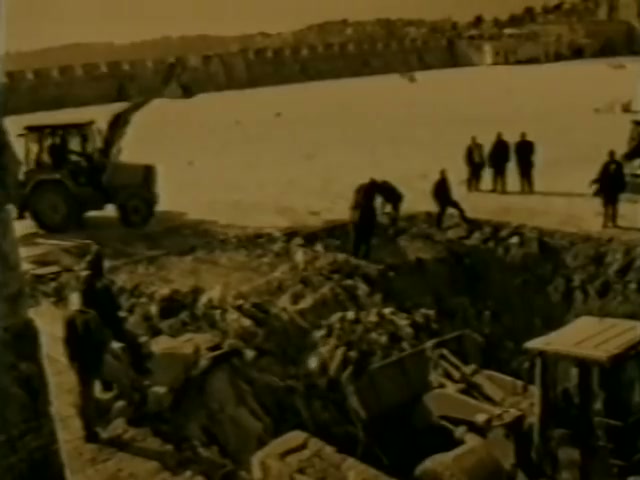
In 1999, heavy machinery removed thousands of tons of soil from the Solomon's Stables area on the Temple Mount and carried it out of the city.

ARCHIVE FOOTAGE, 1999
02 1999 to 2003

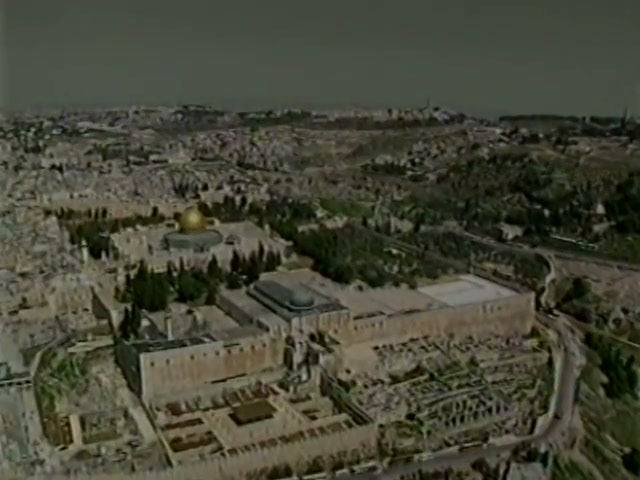
The Kidron Valley

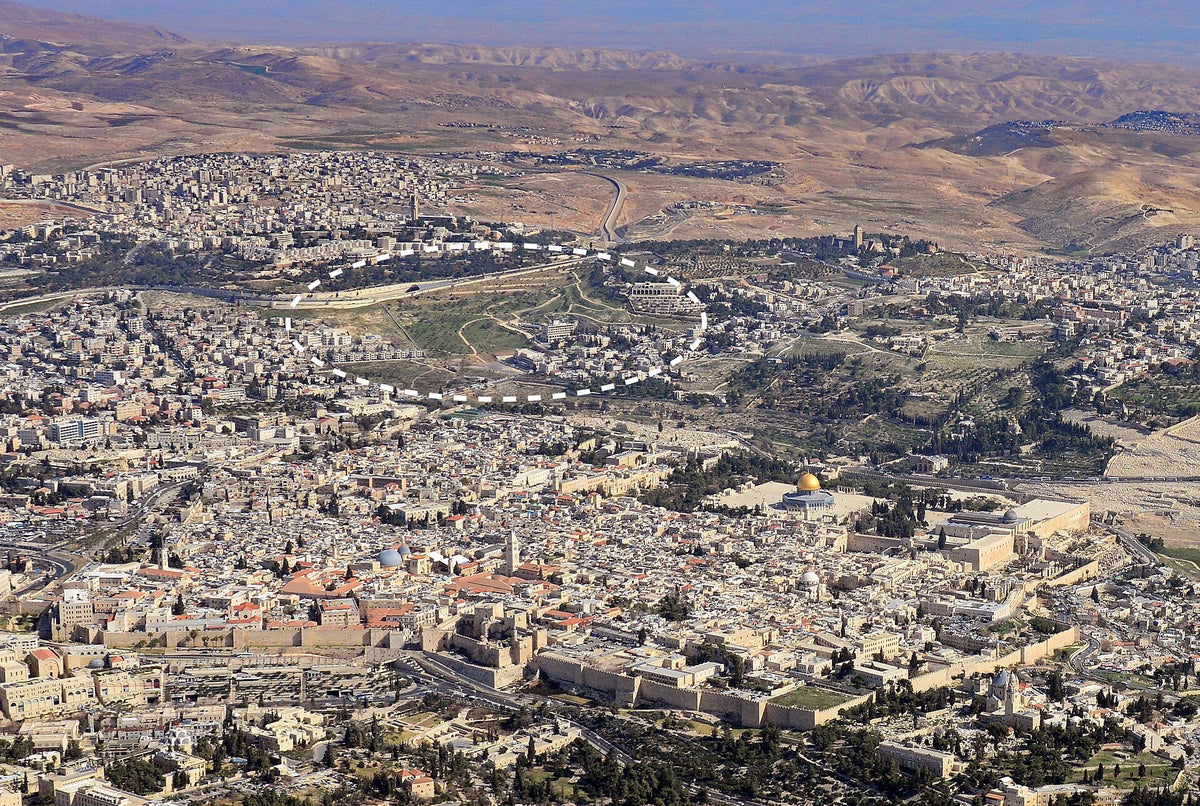
The soil was dumped in the Kidron Valley, just outside the Old City walls, and lay there in heaps for years.

03 2003

Mount of Olives

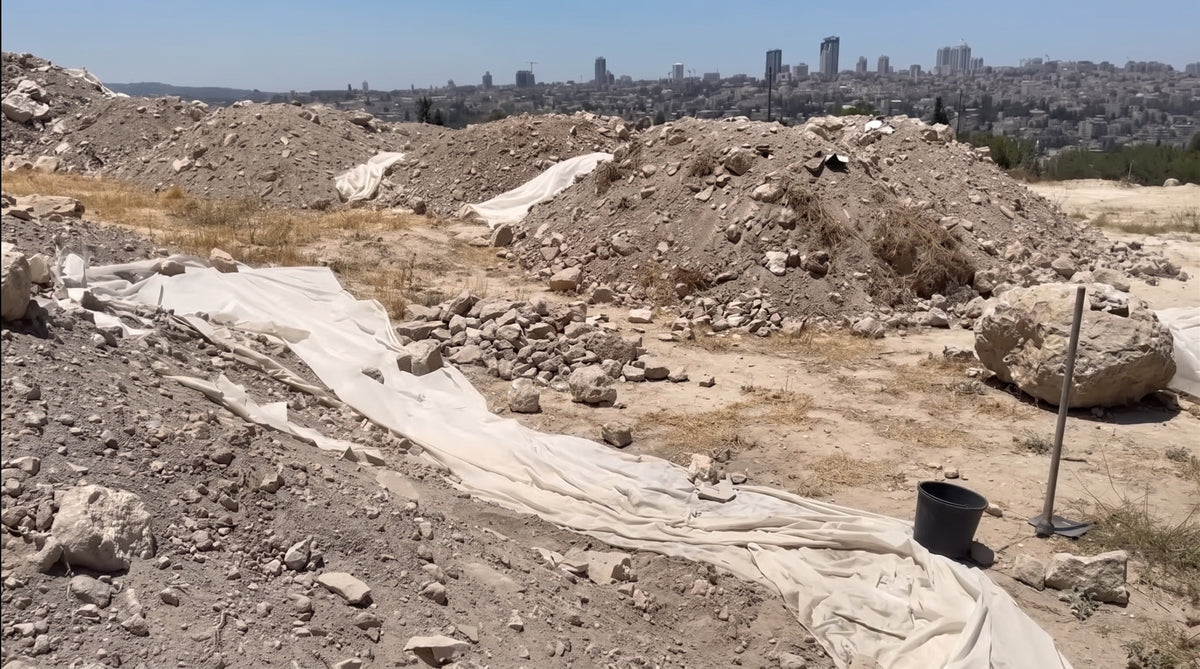
The Temple Mount Sifting Project moved the soil to a sifting site on the slopes of the Mount of Olives, within sight of where it came from, and began the rescue bucket by bucket.

Soil piles under cover with the Jerusalem skyline behind
04 Dry sift

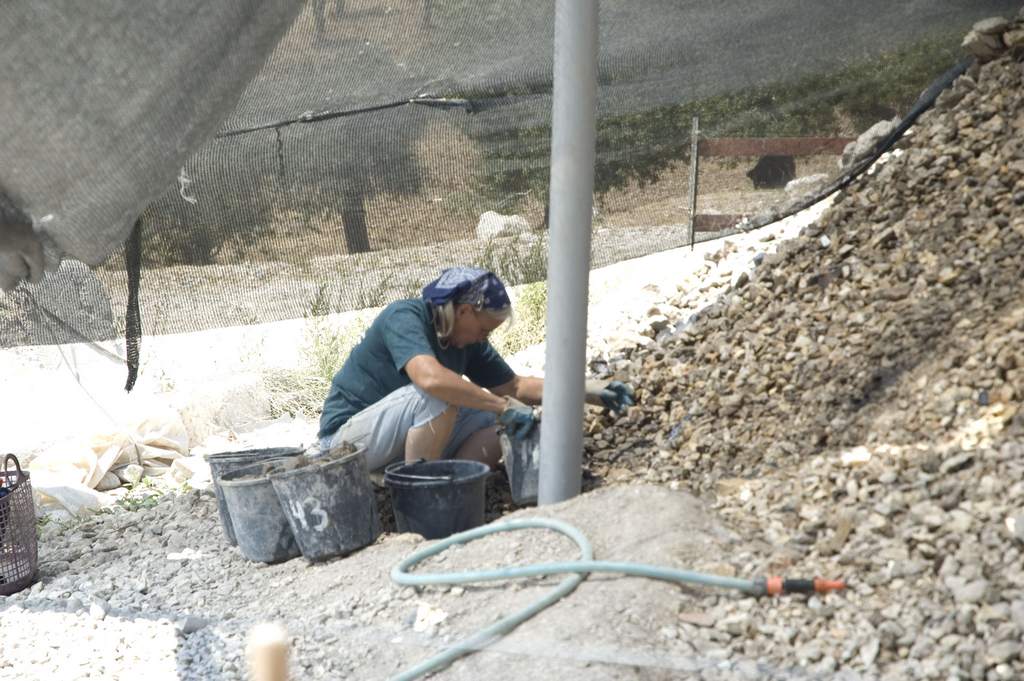
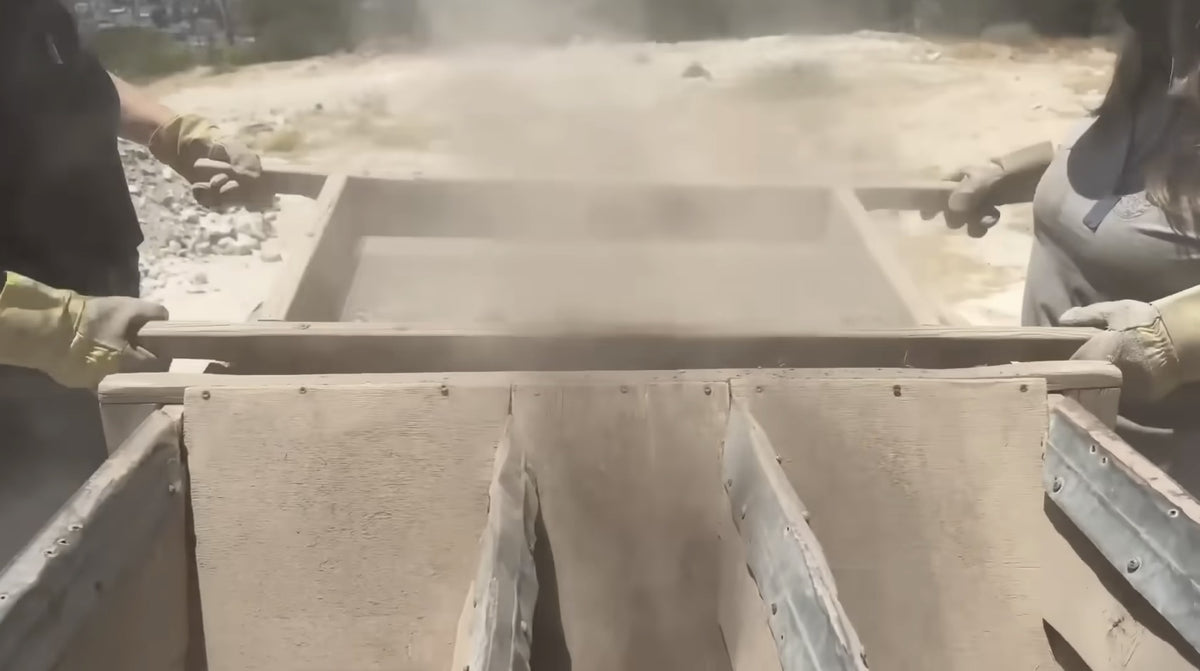
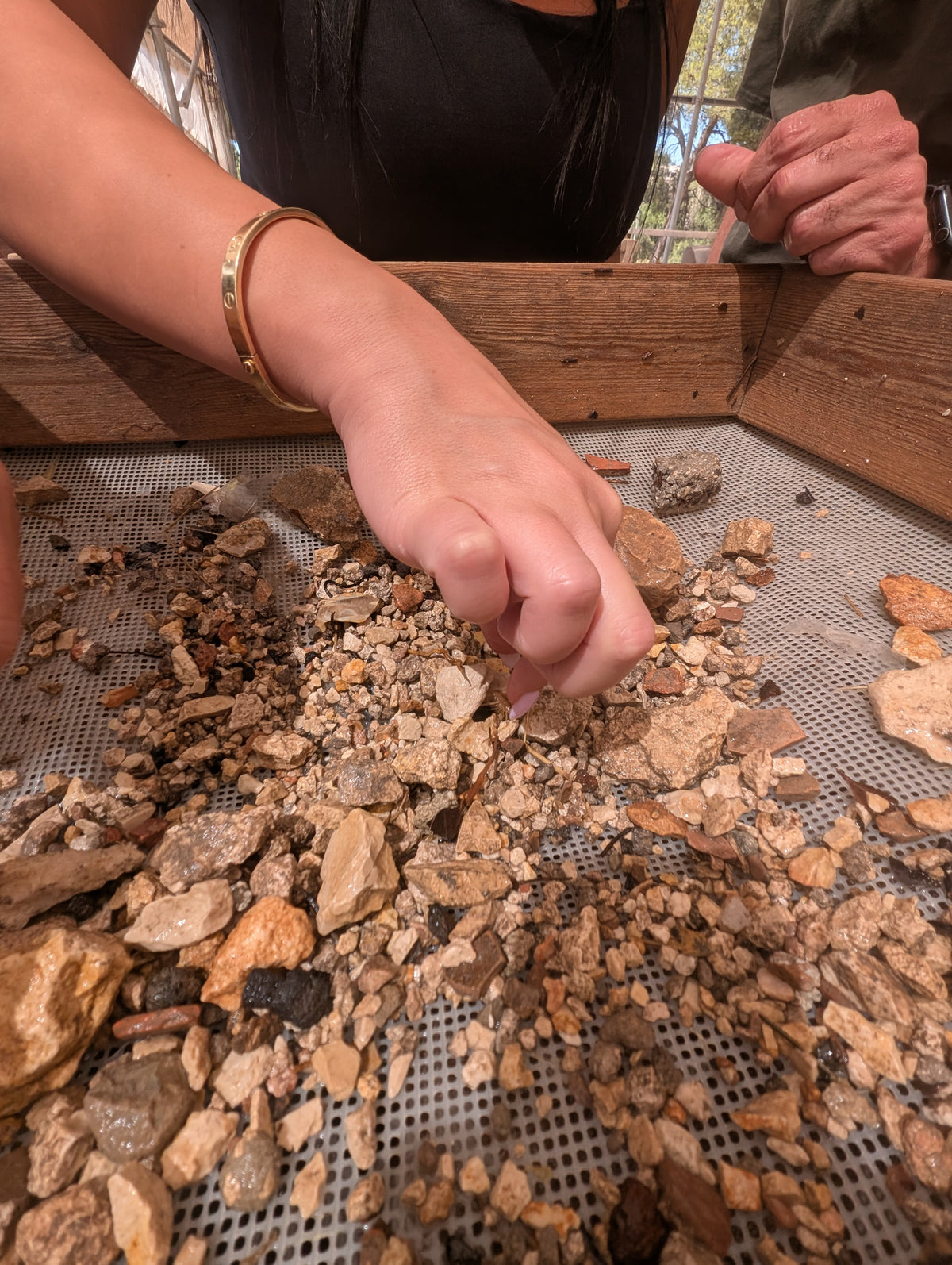
Rocks and debris removed

The first pass is dry. Screens hold back rocks and large debris and let the finer earth through.

05 Wet sift

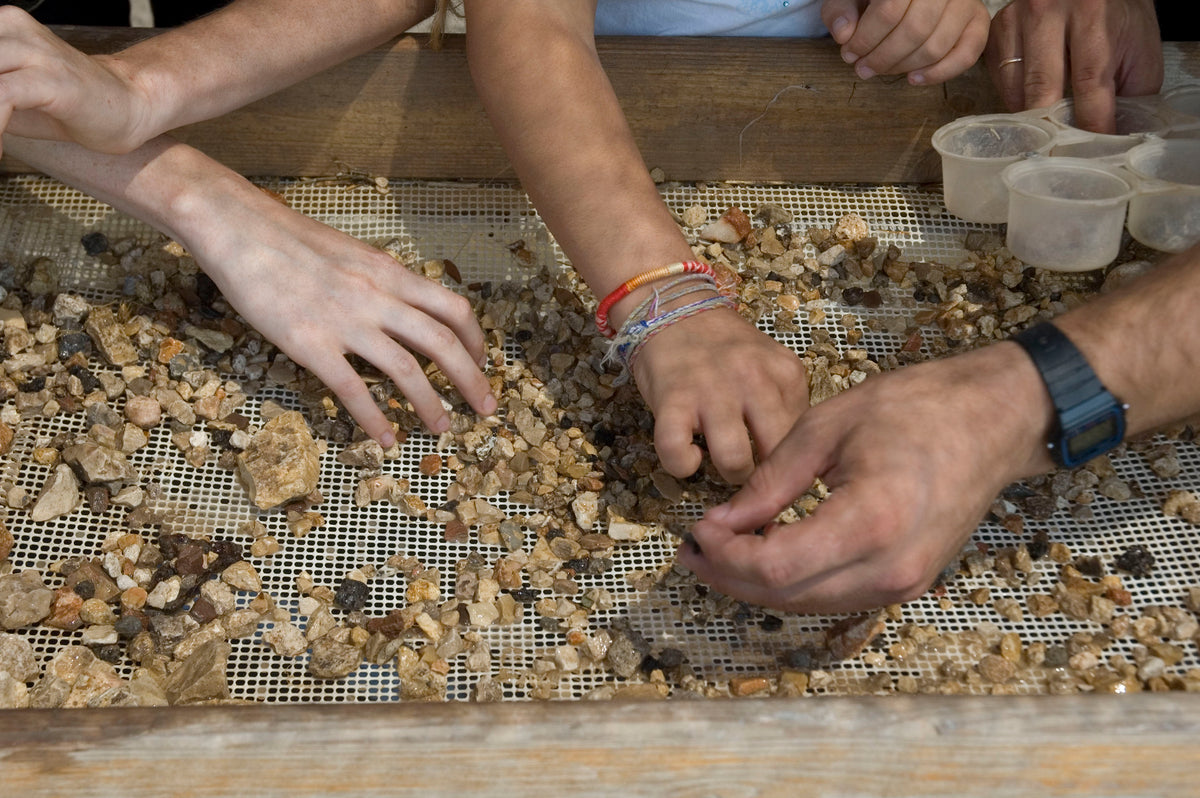
The artifacts recovered

The second pass is wet. Water rinses the soil across fine screens and uncovers what the dust was hiding: the artifacts.

06 One at a time

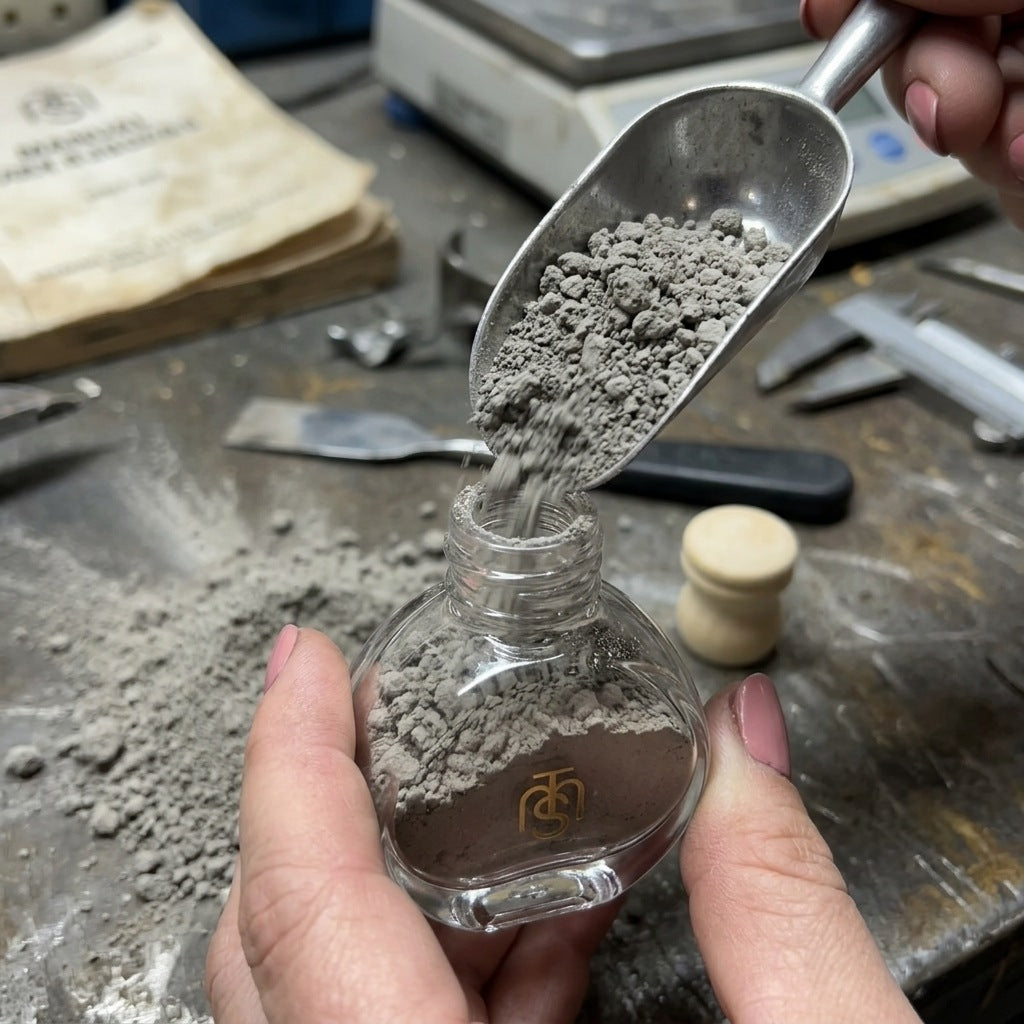
Filled, numbered, sealed

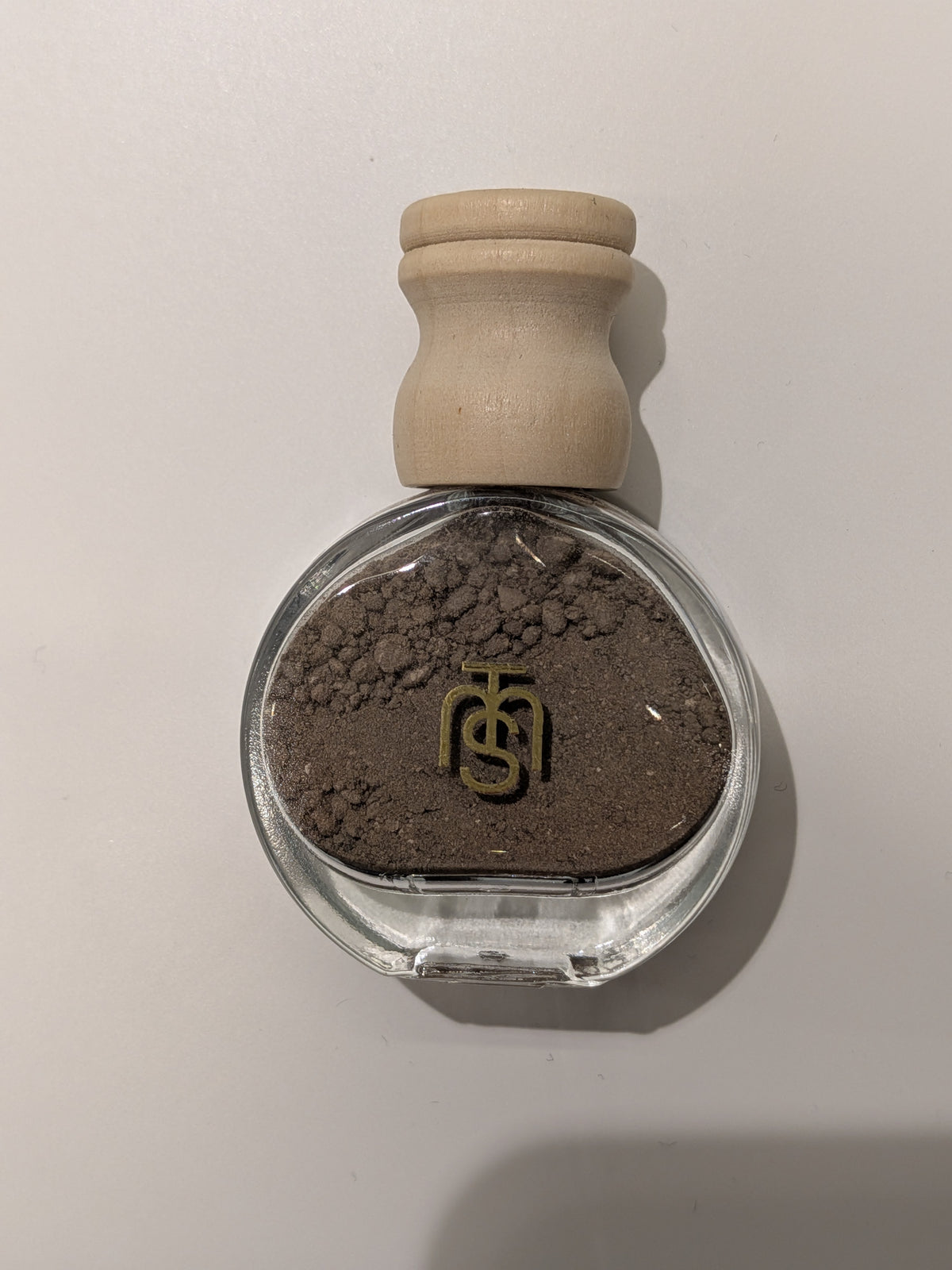
The soil that remains goes to HaMeshakem in Israel, a sheltered-employment company for people with disabilities, where each piece is filled, numbered and sealed by hand.

A bottle being filled by hand
07 Israel to Texas · 1 to 2 weeks

Shipped to our US warehouse

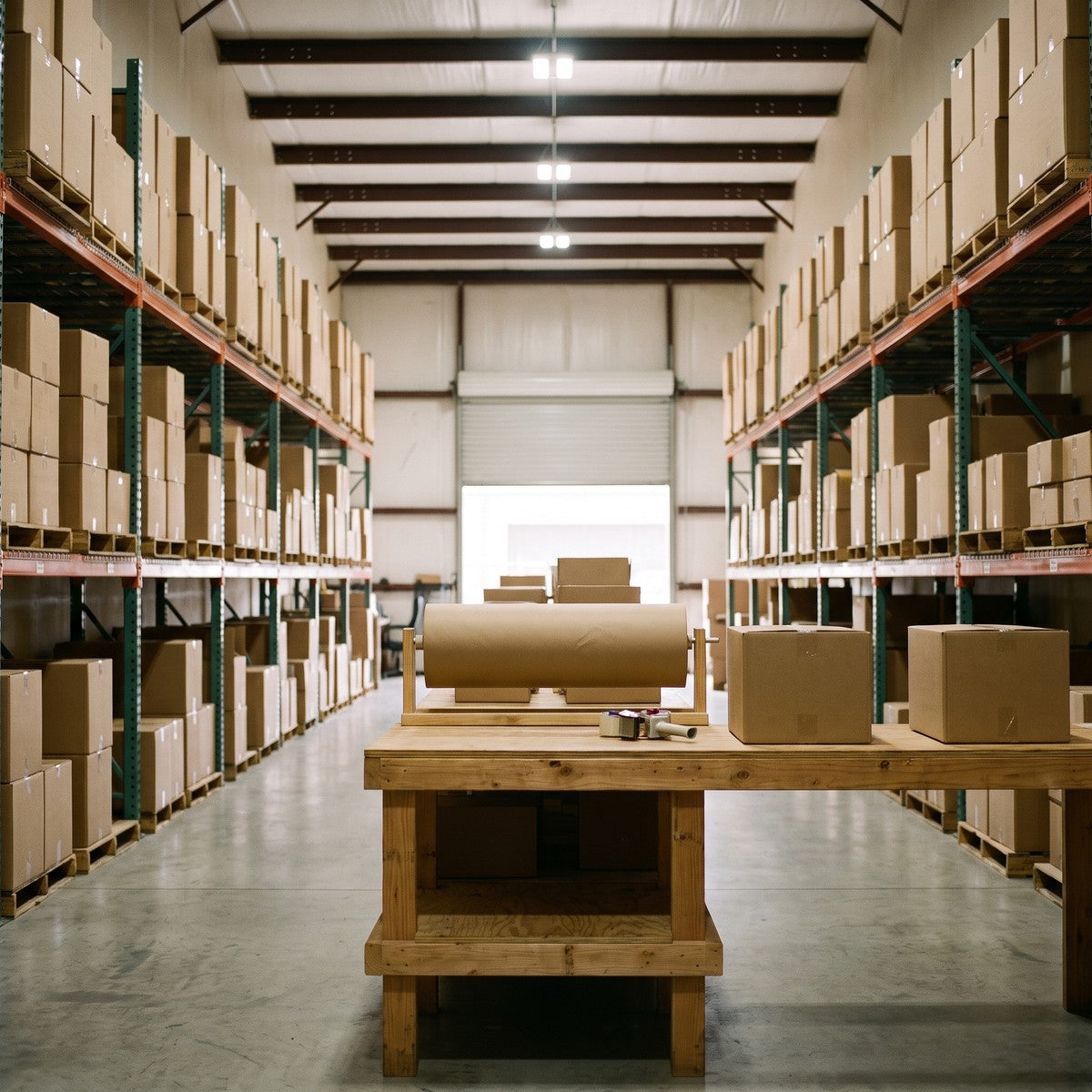
The sealed pieces are shipped internationally from Israel to our fulfillment center in Dallas, Texas. That journey takes one to two weeks and is complete before you place your order.

Our fulfillment center in Dallas, Texas
08 About a week

In your hands

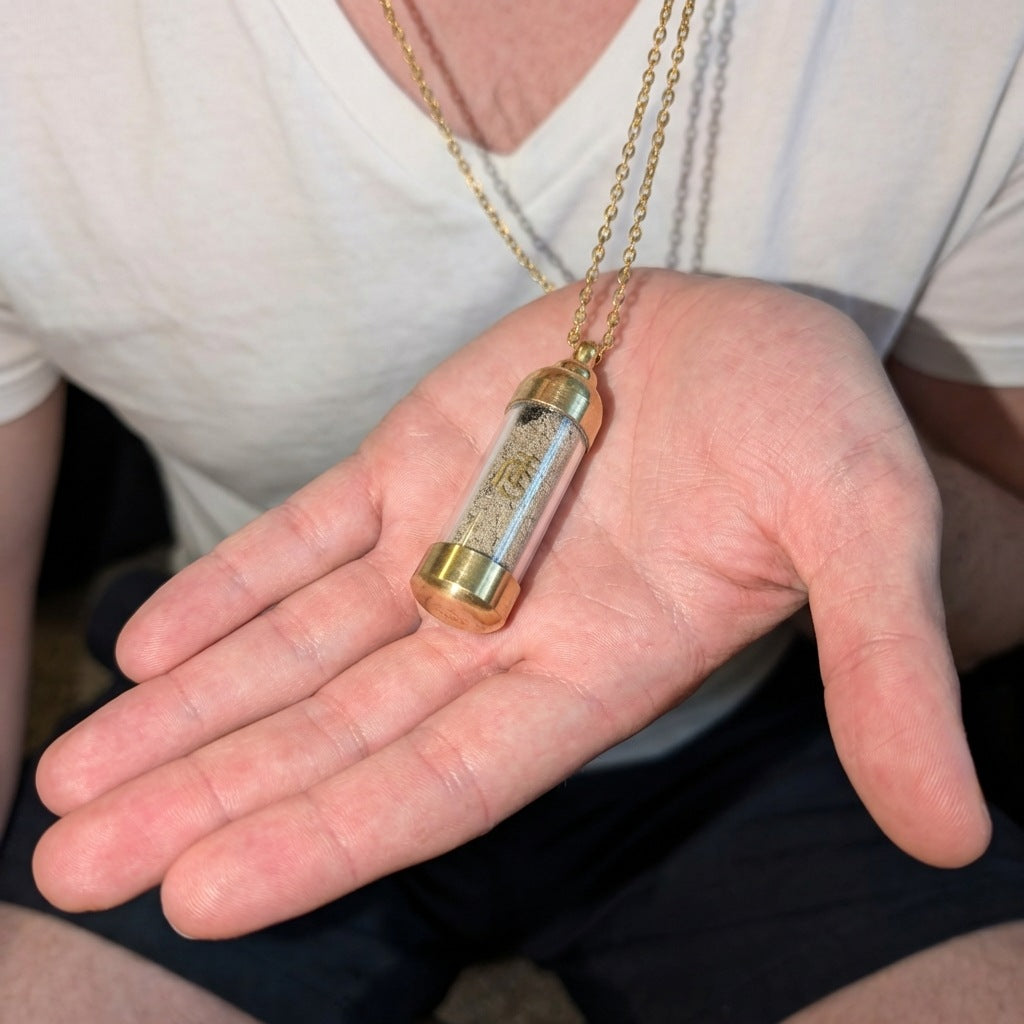
Your order is packed in Dallas and on its way within two business days. US orders usually arrive in about a week, with no customs delays.

A pendant held in an open palm

What the soil gave up

Among the finds recovered from this soil, and now studied by the Sifting Project:

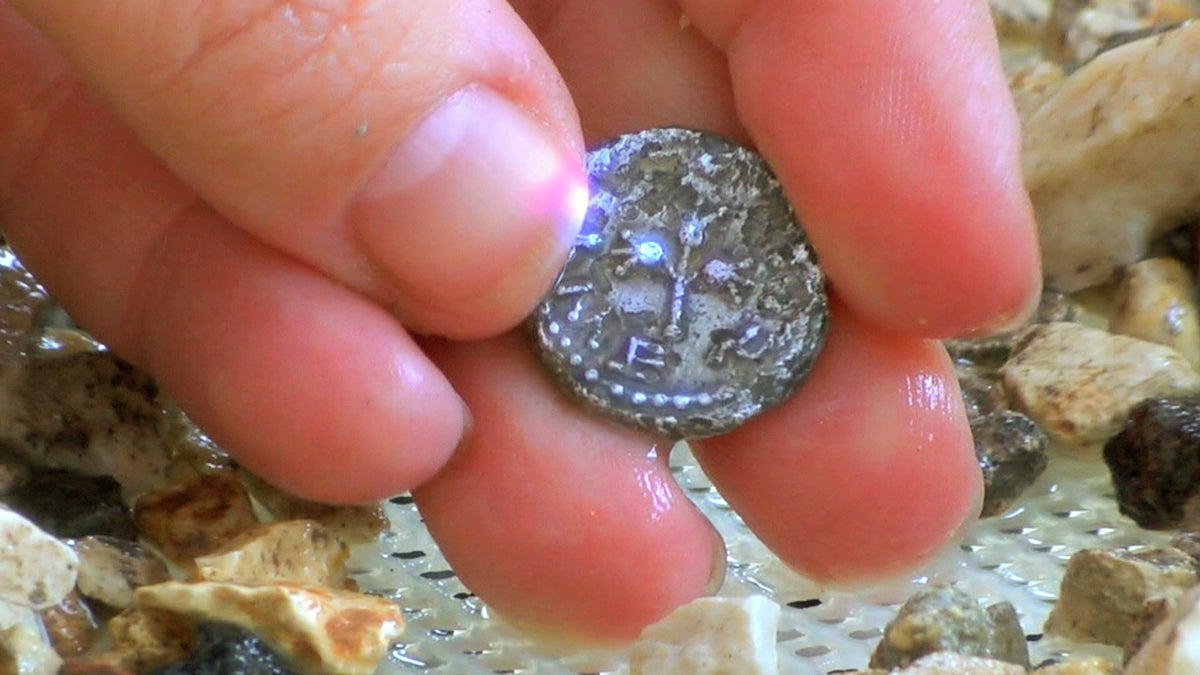
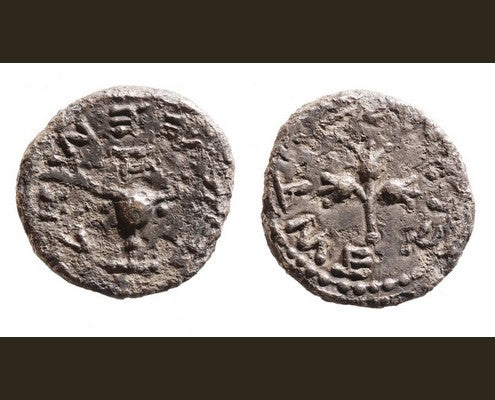
Silver half shekel from the First Jewish Revolt
Silver half shekel, 66 to 67 CE, First Jewish Revolt
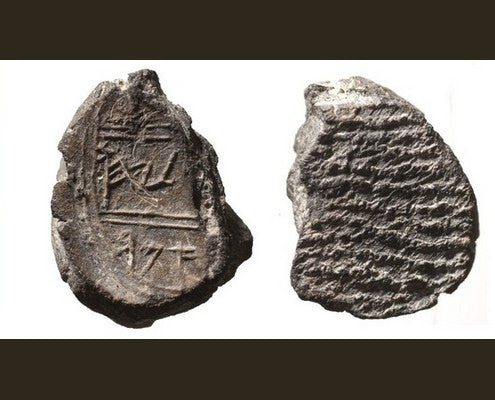
Clay sealing inscribed with the name Immer
Clay sealing of Hisilyahu son of Immer, 7th century BCE
Stamped royal storage jar handle
Royal storage jar handle, 8th century BCE
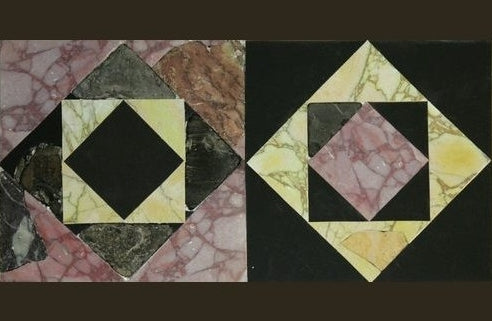
Opus sectile floor tiles from the Temple Mount courts
Opus sectile floor tiles, Herodian, 20 BCE to 70 CE
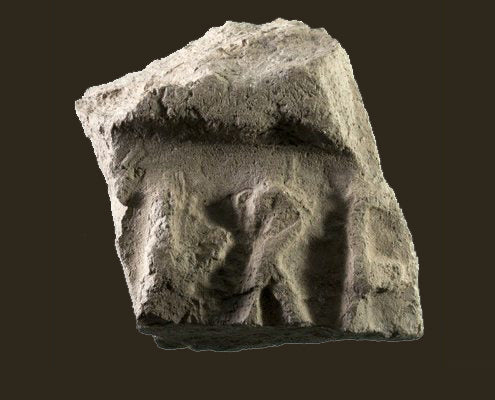
Roof tile stamped by the Roman Tenth Legion
Roof tile of the Roman Tenth Legion, 1st to 2nd century CE
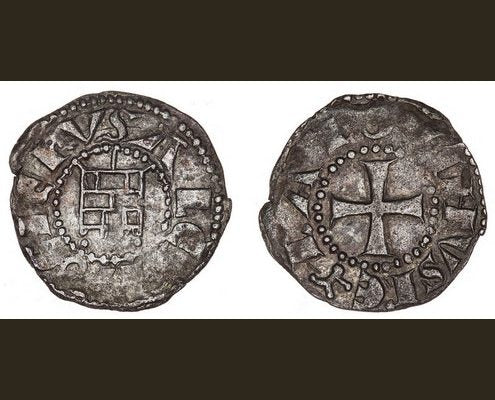
Crusader period silver denier
Crusader silver denier of Baldwin III, about 1160 CE
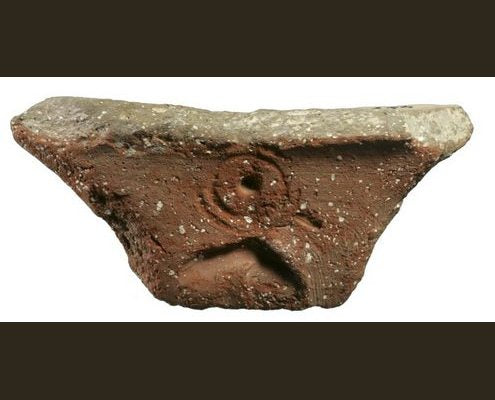
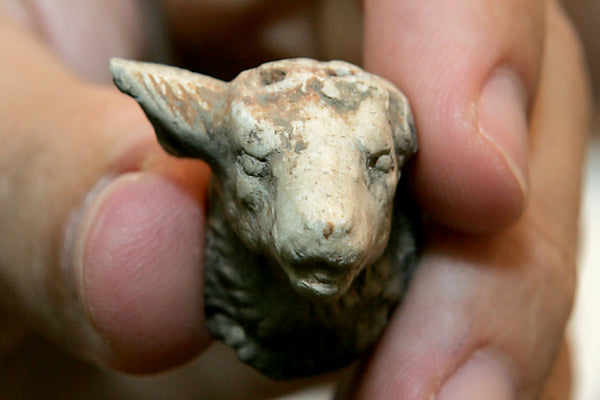
Clay ram's head ornament
Clay ram's head ornament, Roman, 1st century CE
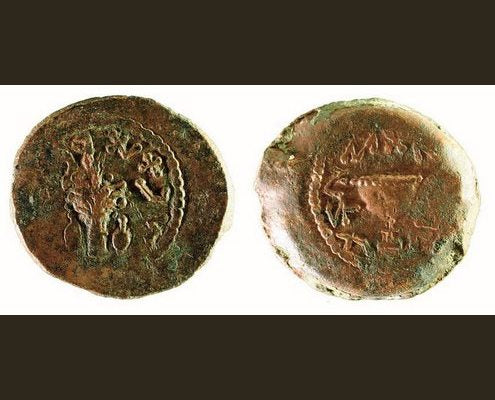
Coin of the fourth year of the Great Revolt
Coin of the fourth year of the Great Revolt, 69 to 70 CE

Artifacts are removed and kept for research. The soil in your keepsake is what remains after sifting.

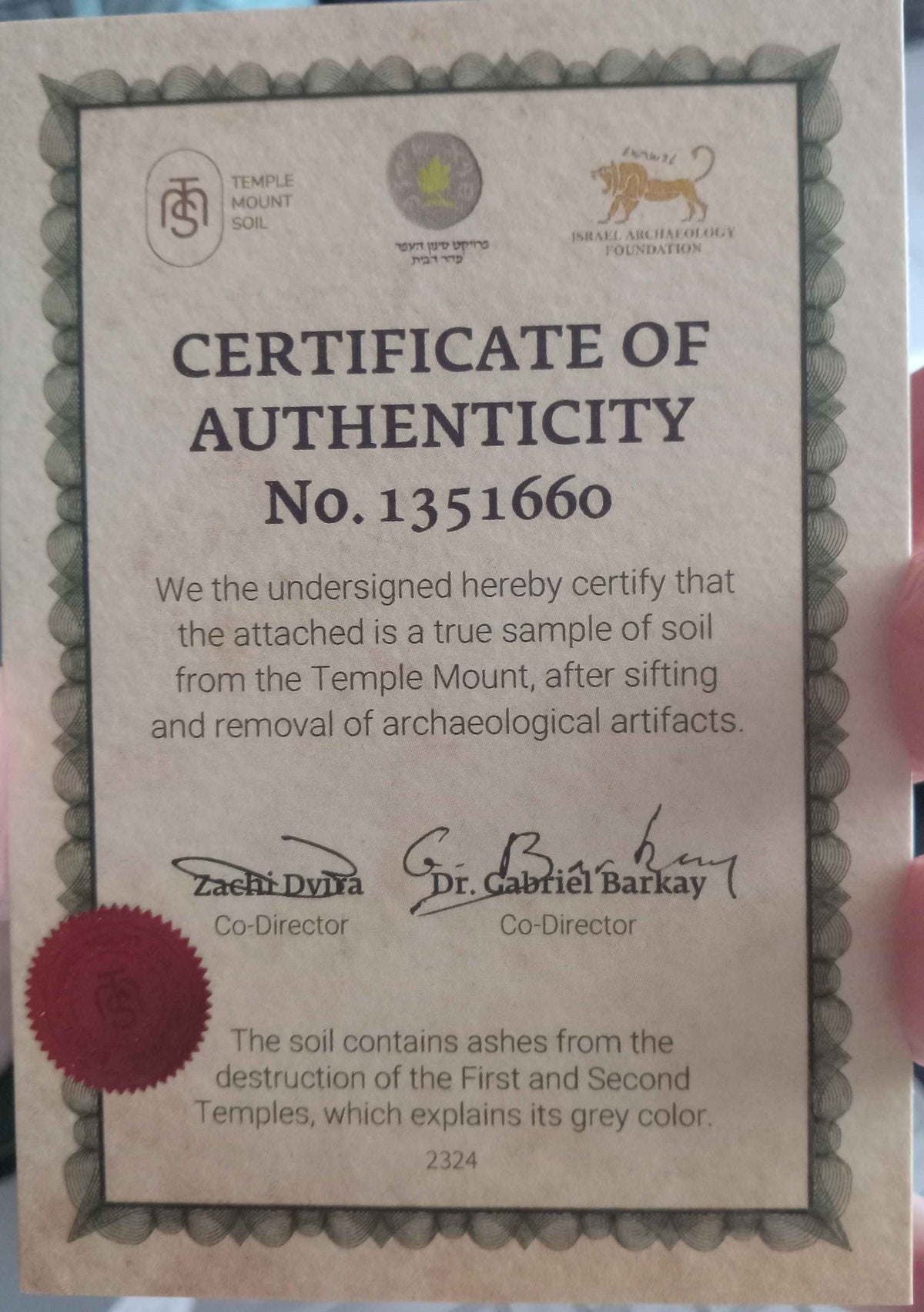
Certificate of Authenticity, signatures legible

Anatomy of your certificate

  1. 01The certificate number, which matches the number on your piece.
  2. 02The signature of the Sifting Project's co-director.
  3. 03The name of the Temple Mount Sifting Project.
  4. 04The statement that the soil was sifted and its artifacts removed for research.

Your number is your record

Register your certificate and the record of your piece is complete.

Register your certificate

Questions

Why did my order ship from Texas?

Because Texas is the last stop, not the first. The soil in your keepsake was recovered on the Mount of Olives by the Temple Mount Sifting Project, then filled, numbered and sealed in Israel by HaMeshakem. The finished pieces travel to our fulfillment center in Dallas, so US orders arrive quickly, with no customs delays. Your piece carries a number, matched to its Certificate of Authenticity.

How long does delivery take?

US orders ship within two business days and usually arrive in about a week. International orders also ship from Dallas; delivery usually takes up to two weeks, and import duties may apply in your country.

What does my certificate number mean?

Every piece is numbered when it is sealed in Israel, and that number is printed on its Certificate of Authenticity. Registering it at register.templemountsoil.com records your piece under your name.

Aerial photograph of the Temple Mount: Godot13, CC BY-SA 4.0. Emek Tzurim: Avram Graicer, CC BY-SA 3.0. Both via Wikimedia Commons.